Your vote matters. Here’s why you should use it…
More people than ever are sitting out elections
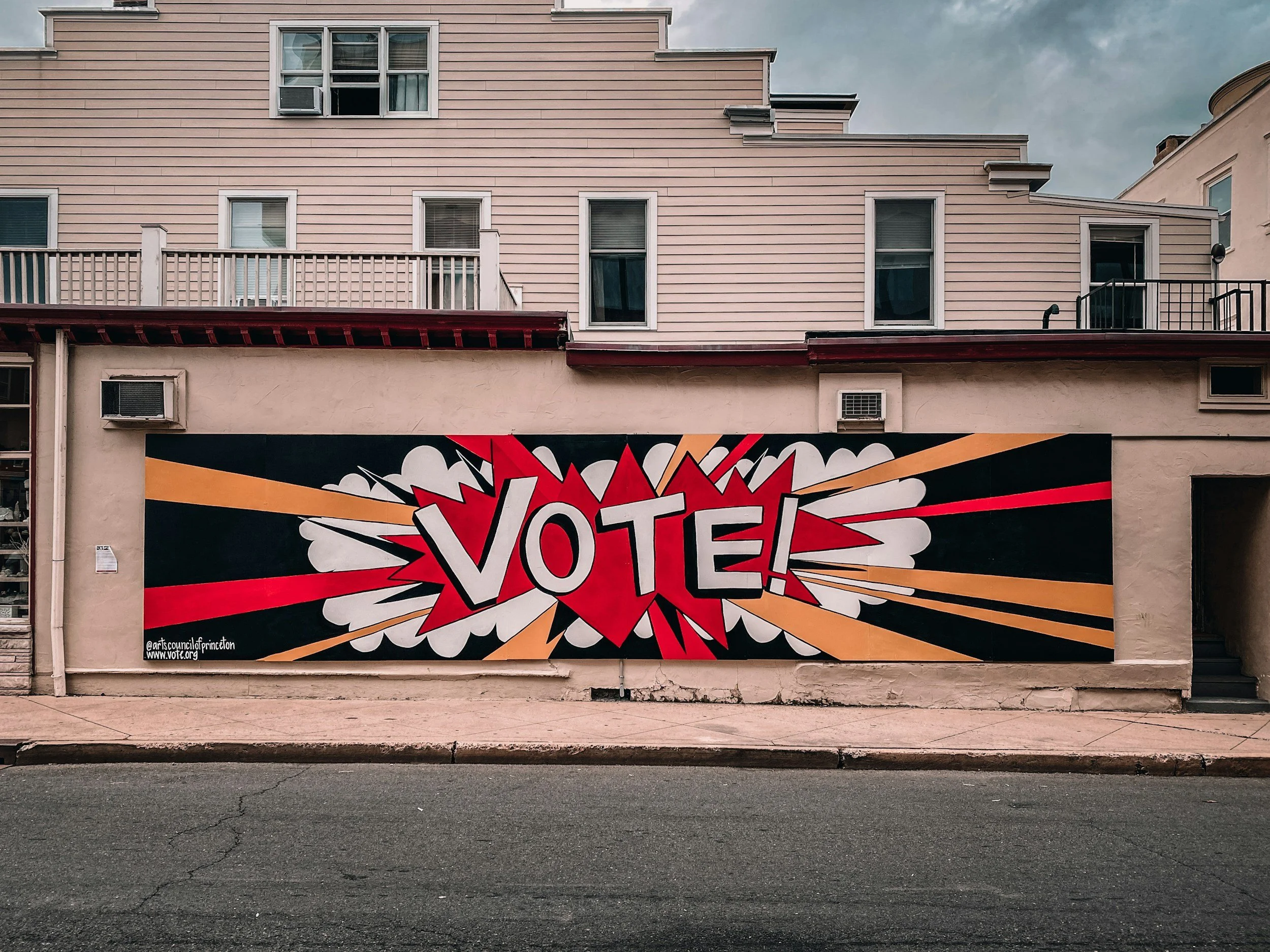
Frustration with politics is everywhere. Stormont stalls. Westminster feels distant. People are struggling with the cost of living, housing, and public services — and many have lost faith that politics can fix it.
At the 2019 Westminster election, turnout in Northern Ireland fell to 61.7%; the lowest in our history. In some constituencies, it dropped below 55%. That’s a dramatic fall from the 1990s and early 2000s, when turnout often reached 75–80%.
In local council elections, it’s even lower. The 2023 local elections saw just 54% of people vote - meaning almost half of eligible adults sat it out.
Every time turnout falls, a smaller and smaller share of people decide what happens to everyone else.
What happens when fewer people vote?
When turnout drops, politics becomes less representative.
Research from the Electoral Reform Society shows that people who don’t vote are often younger, lower-income, and more likely to rent their home; groups that already face the biggest barriers to being heard.
That means the policies that get made often reflect the priorities of those who do vote; typically older, more established, more secure. The result? Issues like climate action, affordable housing, and equality, priorities for younger and more progressive voters, slide down the agenda.
Imagine the difference if that missing third of the electorate showed up. We’d see election results that better reflect the majority’s values. Change wouldn’t happen overnight. But the conversation would shift. And that’s where change always begins.
When people show up, things change
Across Northern Ireland and beyond, there are real examples of people power shaping outcomes.
In 2022, public pressure and coordinated campaigns helped secure cross-party support for the Climate Change Act (Northern Ireland) - a landmark piece of legislation that had stalled for years. Thousands of residents signed petitions, wrote to MLAs, and demanded stronger climate targets. When they did, the Assembly listened.
In 2018, sustained grassroots movements, and members of this community led Stormont to finally commission abortion services here in 2020, after decades of political deadlock - proof that persistence and public pressure, amplified by voter demand, can deliver change.
And at a local level, higher turnout in Belfast’s 2019 council elections helped elect a more diverse range of councillors than ever before - including more women, younger candidates, and new independent voices. Representation shifted because people showed up.
Barriers to voting are real, but not impossible to overcome
Many people who don’t vote say they feel uninformed, disillusioned, or disconnected from party politics. Others simply don’t know who to vote for, or feel their vote “won’t count.”
But here’s the truth: it all counts.
And the more people take part, the harder it becomes for any government to ignore what communities actually want.
For those new to voting, registering takes less than five minutes online at gov.uk/register-to-vote. You can even apply for a postal vote if getting to a polling station is difficult.
People still care - they just show it in other ways
Across Northern Ireland, people are taking action every day. They’re signing petitions, emailing MLAs, supporting climate campaigns, standing up for equality, and defending public services. This is people-power in action. It shows that even when many turn away from “politics,” they haven’t turned away from change.
At Act Now, we see it constantly; people who feel politically homeless but still care deeply about the NHS, housing, Palestine, the environment, and fairness in everyday life.
And Northern Ireland has seen what can happen when people engage. In 1998, nearly 82% of eligible voters turned out for the Good Friday Agreement referendum - one of the highest participation rates in our history. That collective act of hope helped secure peace and reshape the future for an entire generation.
Voting is just one more way to connect that passion to power.