What People in Northern Ireland Care About Most
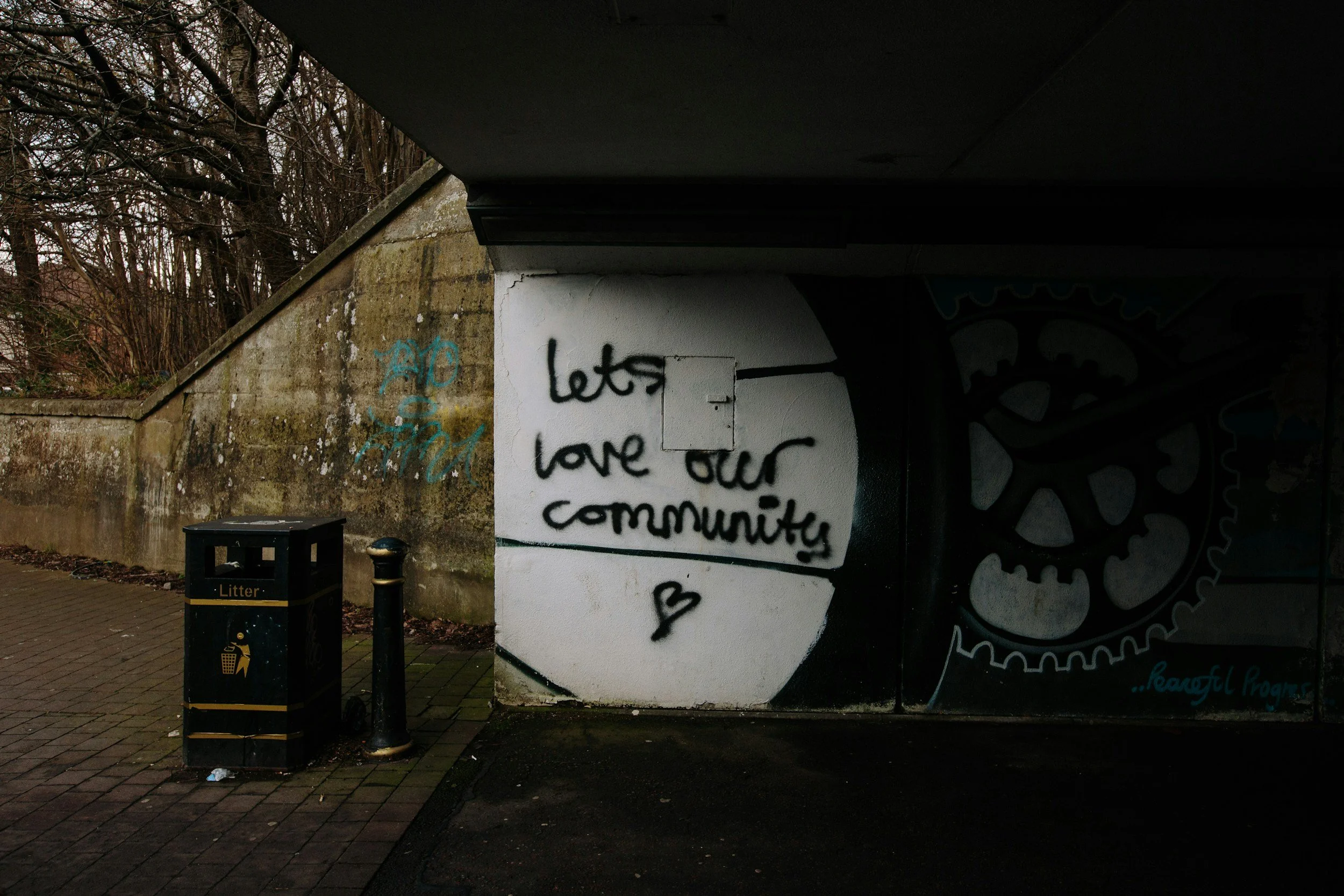
Despite political division, people in Northern Ireland agree on far more than headlines suggest. Research shows shared priorities around healthcare, the economy and public services, and how people are taking action.
Northern Ireland is often described as a place defined by division. For decades, the images shown to the world were of bomb blasts, riots, armed checkpoints and political collapse. More than 3,700 people were killed during the conflict and over 45,000 injured. Entire communities were shaped by violence, loss and trauma.
Nearly 30 years on from the Good Friday Agreement, the political structures built to manage that division remain highly visible, and often highly dysfunctional. Stormont collapses and returns. Constitutional debates dominate headlines. Political debate is still often organised around identity rather than everyday issues.
At a time when public services are under unprecedented strain, that gap has real consequences.
But while our politics often appears fractured, people’s priorities tell a different story.
What People Actually Prioritise
In 2021, researchers at the University of Liverpool surveyed over 1,000 people across Northern Ireland about their priorities.
Despite heightened constitutional debate following Brexit, respondents ranked healthcare, COVID recovery and the economy as their top concerns. Constitutional change did not top the list.
The research also found limited appetite for political brinkmanship. Only a small minority of participants were comfortable with the idea of Stormont being collapsed in the run-up to elections. Institutional instability may have become recurring, but it does not reflect what most people say they want.
When asked directly, people prioritised the systems that shape daily life: access to GPs, hospital treatment, job security and economic stability.
That pattern is consistent with broader data trends.
Shared Lives, Shared Pressures
Across Northern Ireland, people are dealing with many of the same pressures.
The latest Northern Ireland Poverty and Income Inequality Report (2023 - 24) shows that 17% of people - around 331,000 individuals - are living in relative poverty before housing costs. For children, the rate is even higher at 23%, nearly one in four. That proportion has remained stubbornly high in recent years, showing little sustained improvement.
Economic pressure extends beyond income alone. Labour market data from 2025 shows that around 26.5% of working-age adults in Northern Ireland are economically inactive; roughly one in four people neither working nor actively seeking work. That rate remains consistently above the UK average, reflecting long-standing structural challenges, particularly linked to long-term illness and disability.
Healthcare pressures are equally visible. Northern Ireland continues to record the longest waiting times in the UK, with hundreds of thousands of people on waiting lists and a significant proportion waiting over a year for treatment. Targets exist, but they have been routinely missed for years.
These are not isolated issues. Poverty may be concentrated in some areas, but economic insecurity, health inequality and overstretched services affect families across every county and political tradition.
Poverty Doesn’t Care How You Vote
Many of the communities most affected by the conflict - including parts of North Belfast, West Belfast and Derry - continue to experience concentrated deprivation today. While violence has ended, inequality and underinvestment have not disappeared.
In their recent IFTA acceptance speech, actor Lola Petticrew said:
“The system is not designed for kids where I’m from to survive, let alone thrive. One in three kids in West Belfast live in poverty.”
Their words resonated because they reflected something widely recognised: socio-economic hardship does not follow party lines.
Different communities may have different political identities. But poverty, underfunded services and limited opportunity are not confined to one side.
What Politics Struggles To Do
Northern Ireland’s institutions were designed to manage division. But they are less effective at addressing long-term, material pressures: healthcare reform, economic inactivity, childcare and inequality. When politics is repeatedly absorbed by disputes over identity or positioning, practical reform slows.
A similar pattern can be seen in mainland UK politics.
Recent YouGov polling suggests that around 20% of current Labour voters now say they would vote Green, up from 11% in comparable polling when Zack Polanski assumed leadership. That represents a measurable shift in voter alignment.
Issue priorities offer part of the explanation. YouGov data shows that the cost of living is the top concern among Green supporters, and that 30% of newer Green voters list the economy as their primary issue, compared with 18% of longer-standing supporters.
This doesn’t reduce political change to a single cause. But it does illustrate a pattern: when parties foreground material concerns people are actively experiencing, they gain traction. When attention is dominated by internal dispute or abstract positioning, support fragments.
Northern Ireland faces the same risk. When politics feels disconnected from everyday pressures, people look elsewhere for ways to act.
What Turns Shared Pressures Into Change
Shared socio-economic pressures don’t automatically produce political action.
People can agree that waiting lists are too long, that poverty is unacceptable or that public services are overstretched and still feel powerless.
What makes the difference is whether problems are framed in ways people recognise, whether action is focused on specific issues rather than identity, and whether people can see they are not alone.
Concrete demands matter more than abstract positioning. Issue-specific organising lowers the barrier to participation. Visible, collective pressure shifts decisions in ways private frustration cannot.
This is how progress tends to happen, even in politically divided places.
From Shared Pressures, to Shared Power!
Act Now was set up for people who were understandably tired of dysfunctional politics, but who still cared deeply about what happens here, regardless of who they are or where they come from.
Today, our community of 30,000 people across Northern Ireland takes action across issues that shape everyday life: preventing destructive gold-mining, standing in solidarity with communities targeted by hate and extremism, and challenging political choices that prioritise tax breaks for wealthy corporations over free school meals for children.
That work reflects a different reality of Northern Ireland; one where people live and work alongside one another and organise around shared concerns, even when politics feels stuck.
If those issues matter to you, the next step is simple: join Act Now, add your name, and take action when it counts.
Shared pressures only matter politically when people organise around them.